MAROON MOB
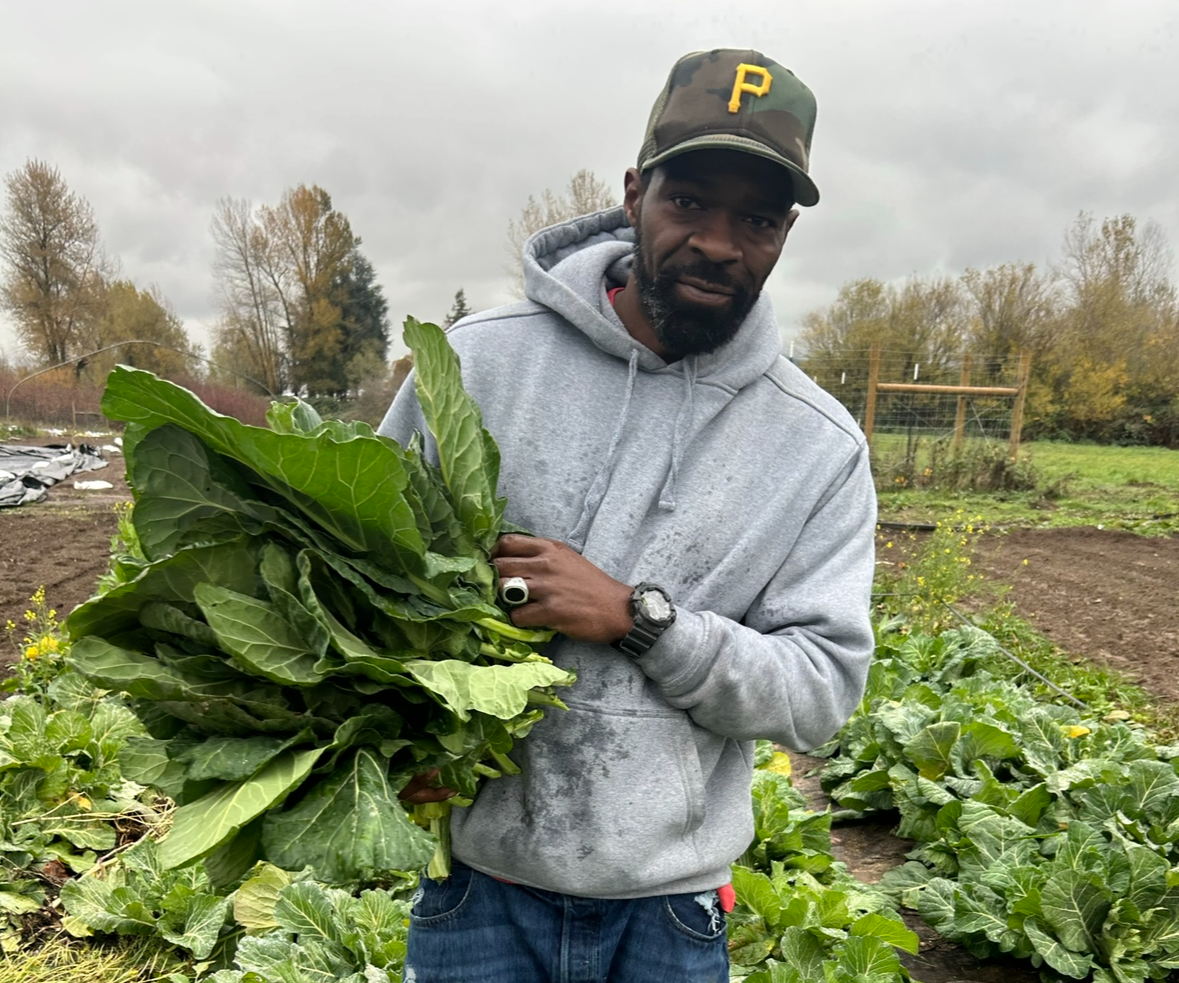
In the Portland area, many emerging BIPOC farmers face steep barriers to launching and scaling their operations. Essential skills — like installing irrigation systems, managing labor, sourcing materials, and operating farm machinery — often take over a decade to master. Without them, farmers miss out on critical grants, such as the NRCS EQUIP program for high tunnels, and struggle to grow beyond subsistence levels.
Continue Reading
Arthur Shavers of Mudbone Grown, a 15-year veteran of Portland’s BIPOC farming scene, has become a vital resource — offering mentorship, equipment, and hands-on support. The demand for accessible, structured training is urgent and growing, especially as Black-led organizations like the Black Agricultural Ecosystem (BAE) call for systemic change in land access, food sovereignty, and economic equity.
That’s why Feed’em Freedom Foundation, in partnership with Black Futures Farm, Black Oregon Land Trust, and other Black-led groups, is launching Maroon Mob: a trained, BIPOC agricultural infrastructure workforce. The team will provide beginning farmers with the tools, labor, and technical support they need — from trenching and soil prep to building wash stations and high tunnels — so they can focus on regenerative growing and farm management.
Maroon Mob isn’t just about labor, it’s about building power. By creating a shared resource network and training the next generation of farm infrastructure professionals, we’re helping BIPOC farmers move from survival to sustainability, from food security to land ownership, and from isolation to community.


HYDROPONICS & ANAEROBIC DIGESTING
Hydroponic Freight Farm
At the Black Community Food Hub our Freight Farm, we will have our hydroponic powerhouse where hundreds of heads of lettuce, herbs, and greens grow year-round, tended by Black hands and powered by Black vision. This isn’t just a container farm — it’s a frontline of food sovereignty. Built with support from Mudbone Grown and in alignment with the National Black Food & Justice Alliance (NBFFJA), this space feeds our people directly, year-round. Every harvest is grown with care, without chemicals, and shared with community. This farm is also a training ground, where new BIPOC infrastructure workers learn to run, maintain, and scale regenerative systems like this one, turning food production into generational wealth.
We’re building a network that doesn’t just grow lettuce — it grows leaders, land stewards, and self-reliant ecosystems. Here, food is medicine, labor is dignity, and every harvest is a step toward Black land ownership, economic justice, and community power — grown, shared, and sustained by us.
If you’re interested in stewarding and learning alongside our team, find volunteer opportunities in the Freight Farm on the
Get involved page!
Anaerobic Digester Compost
At the Black Community Food Hub, we’re turning waste into wealth — literally. Our new anaerobic digester takes food scraps, and farm residue, and transforms them into two powerful resources: clean biogas for energy and rich, living compost tea. This isn’t just recycling — it’s reclamation. Every drop of compost tea is brewed with intention, teeming with microbes that heal soil, boost plant resilience, and cut out synthetic fertilizers. Grown by Black hands, for Black land, this system closes the loop — feeding our crops, fueling our operations, and healing the earth all at once.
This project, funded by the Portland Clean Energy Fund (PCEF) and co-designed with PlayGrowLearn, Black Futures Farm, and Mudbone Grown, goes deeper than compost. We’re tracking real soil transformation — measuring how compost tea improves soil structure, nutrient retention, and microbial life across local Black farms. Each site will measure the conditions resulting from using the compost tea in different urban farm locations throughout the city; turning every test plot into a teaching moment. Sustainability is found in sovereignty. We’re not just growing food. We’re growing knowledge, power, and a regenerative economy — one cup of compost tea at a time.
FLOWERS TO THE FOLKS
Flowers to the Folks(F2F) supports community healing and wellness through the soul medicine of flowers. We believe that everyone should have access to nature's gifts, especially flowers. This partnership aims to evoke nourishment for the nervous system, symbolizing cross-cultural harmony and expressing the ineffable essence of emotions, ritual, and comfort.
Continue Reading
Volunteer Interest FormIn addition to the ongoing donation program, Flowers to the Folks supports the Feedem Freedom Rockwood Village Farm & Black Oregon Land Trust by planting pollinator & cut flowers gardens that are interwoven into the existing structure of the agricultural programs. The addition of flowers to these existing farms supports the Integrated Pest Management (IPM), and regenerative agriculture of each farm ecosystem.
F2F holds ongoing workshops for community, mothers & youth at both these locations providing cost free opportunities for folks to gather, play with flowers, create and learn together. We see access to flowers as an earth-birthright and another way we can continue to advocate for holistic wellness in our communities.
This program is in collaboration with local community space maker & florist, Alexandria (Zandi) Saleem, who has been working with community & flowers as joy, grief, and soul medicine for the last 6 years. Alexandria loves how the relationship between flowers, pollinators, & thriving ecosystems remind us of the complex ways that the beauty of flowers intrinsically supports human wellness, and our earth.


HOUSE OF SACRED HONEY
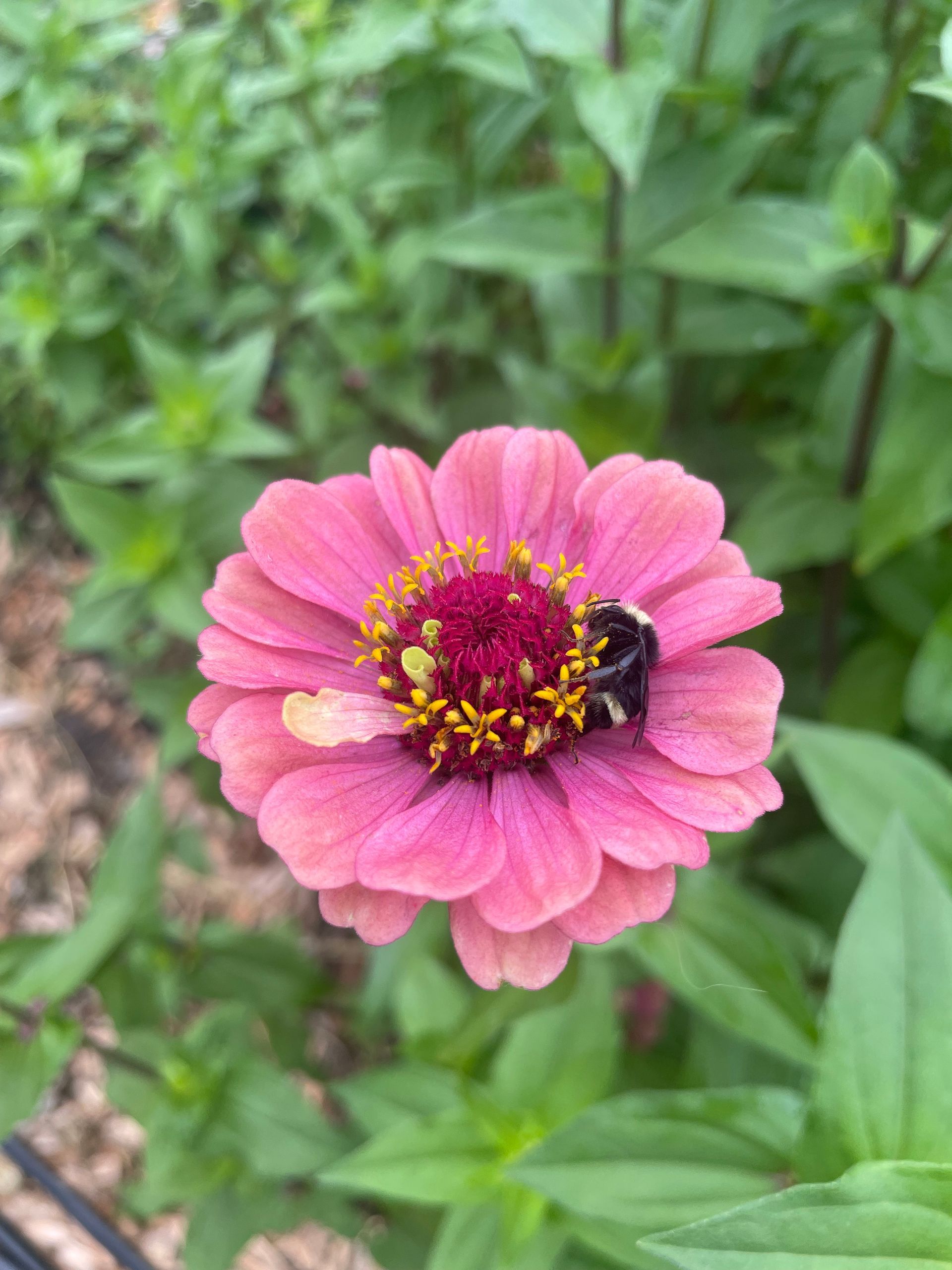
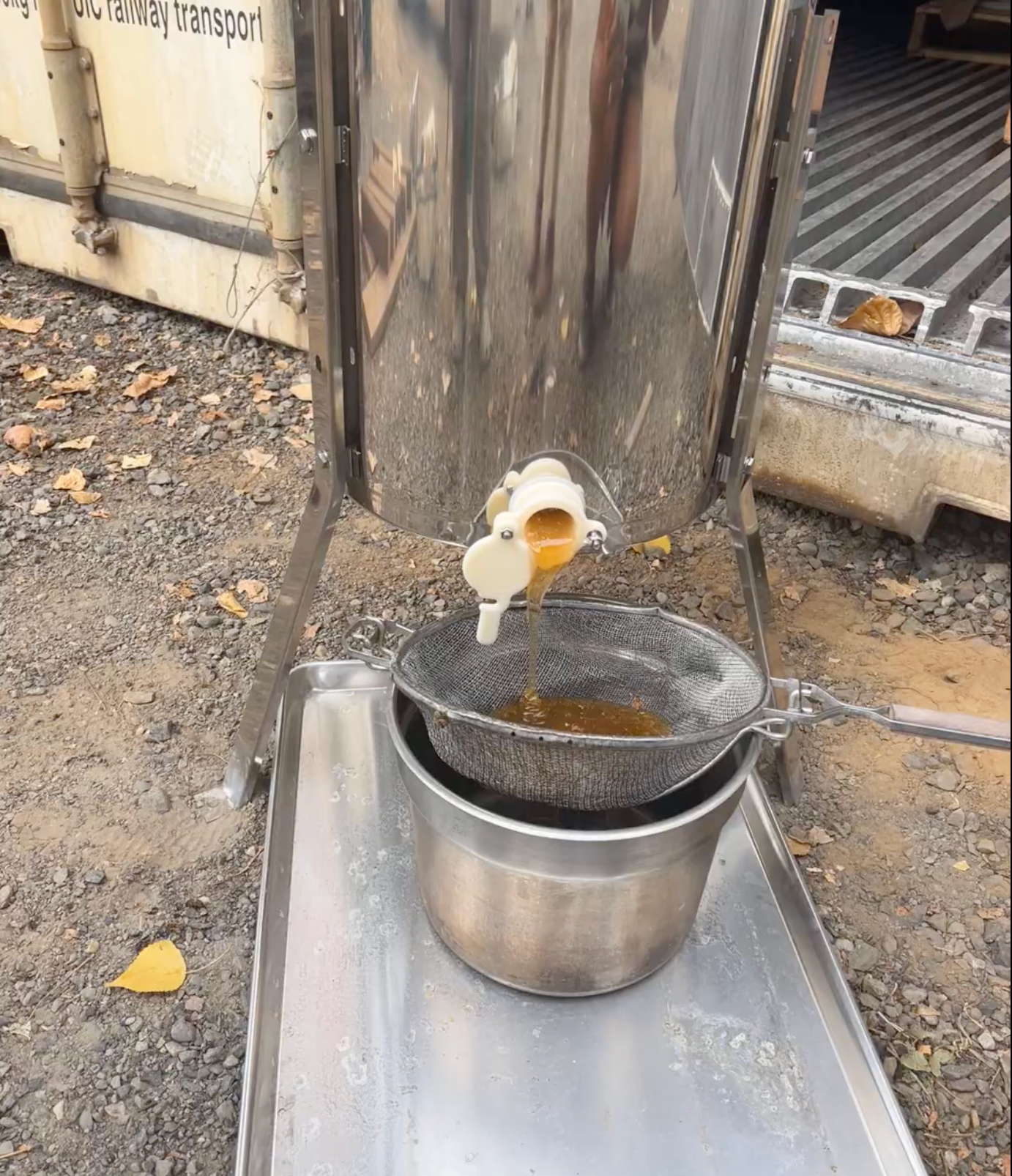
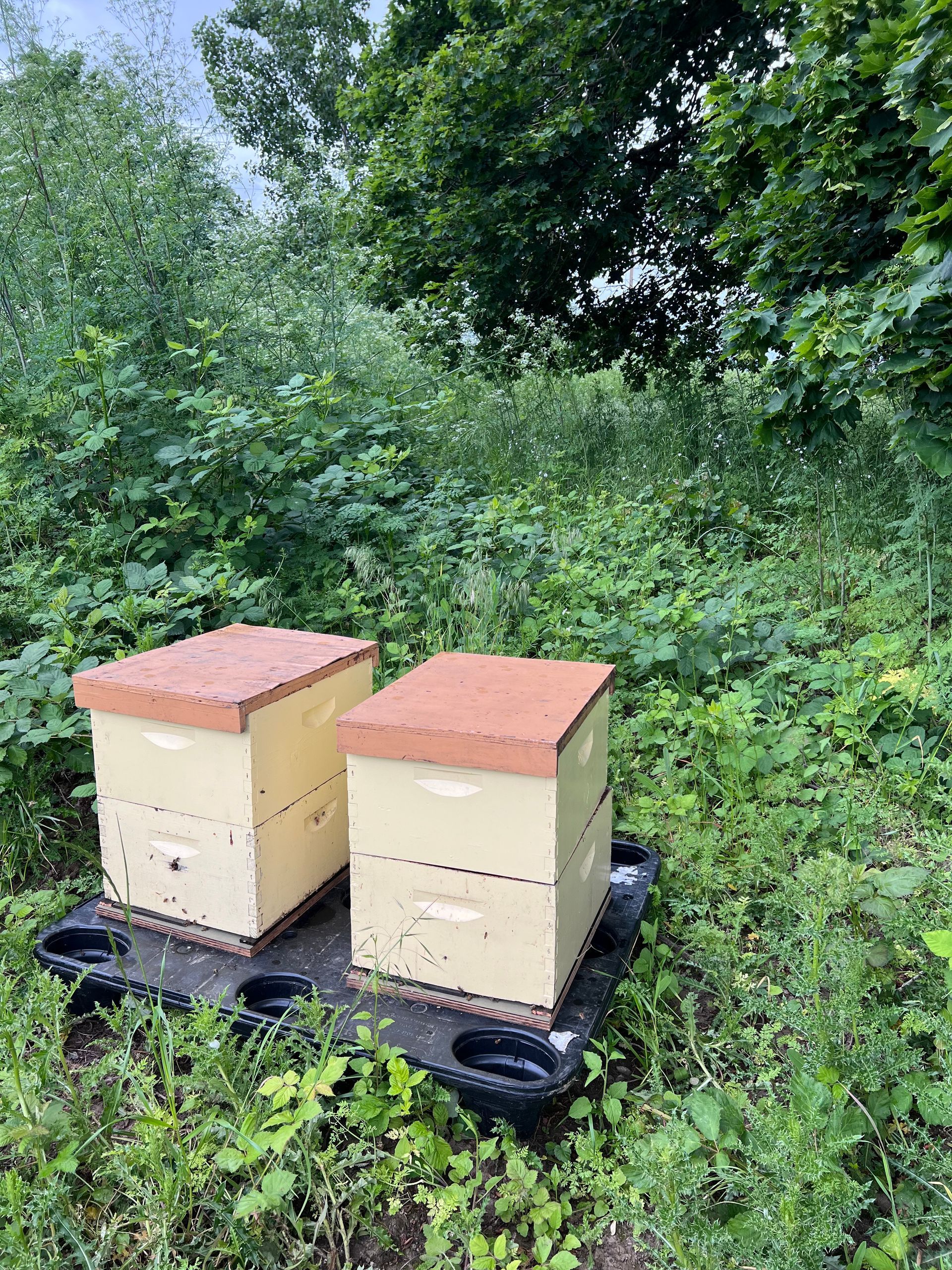
WHERE BEES, LAND, AND LIBERATION MEET
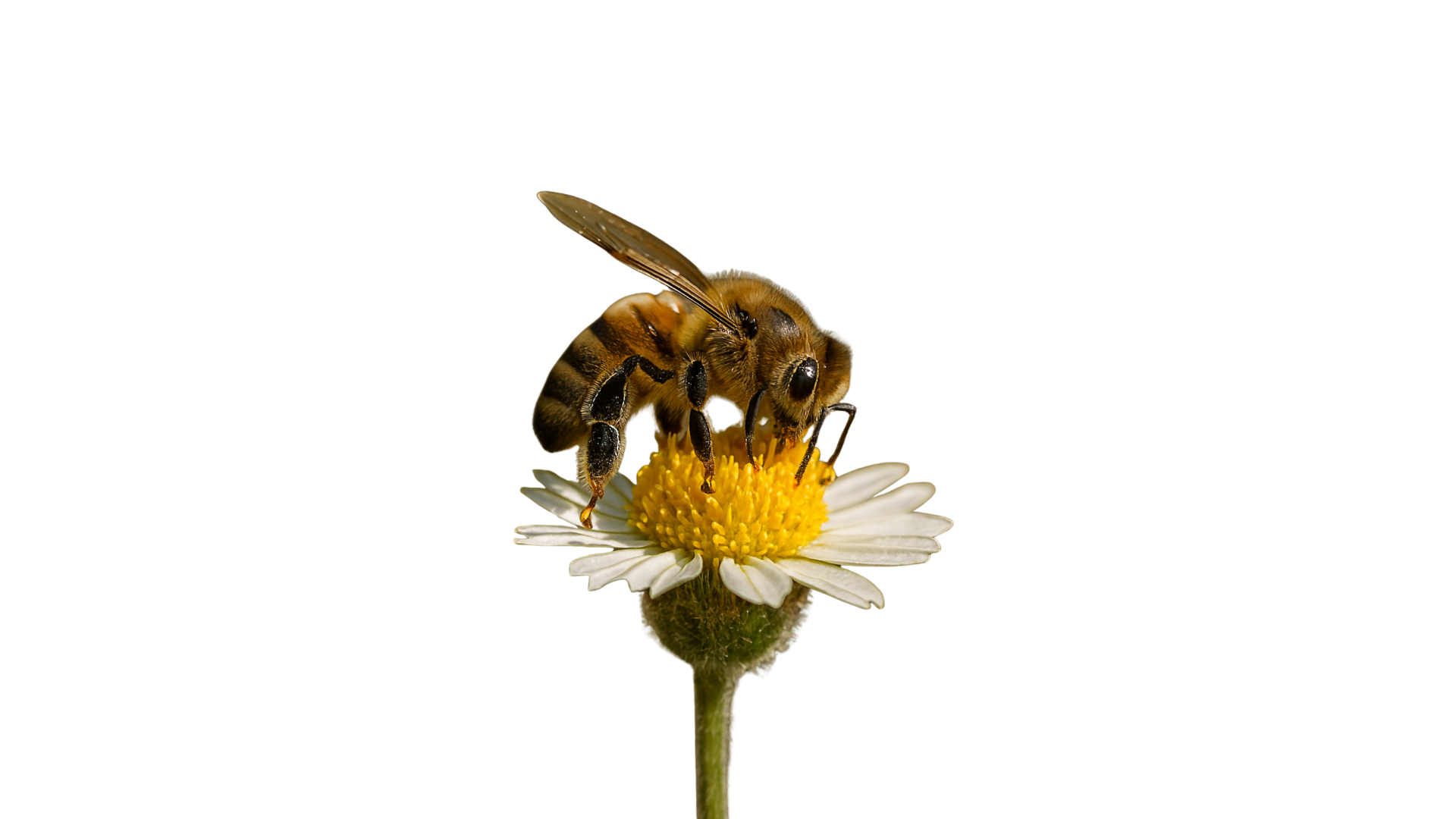
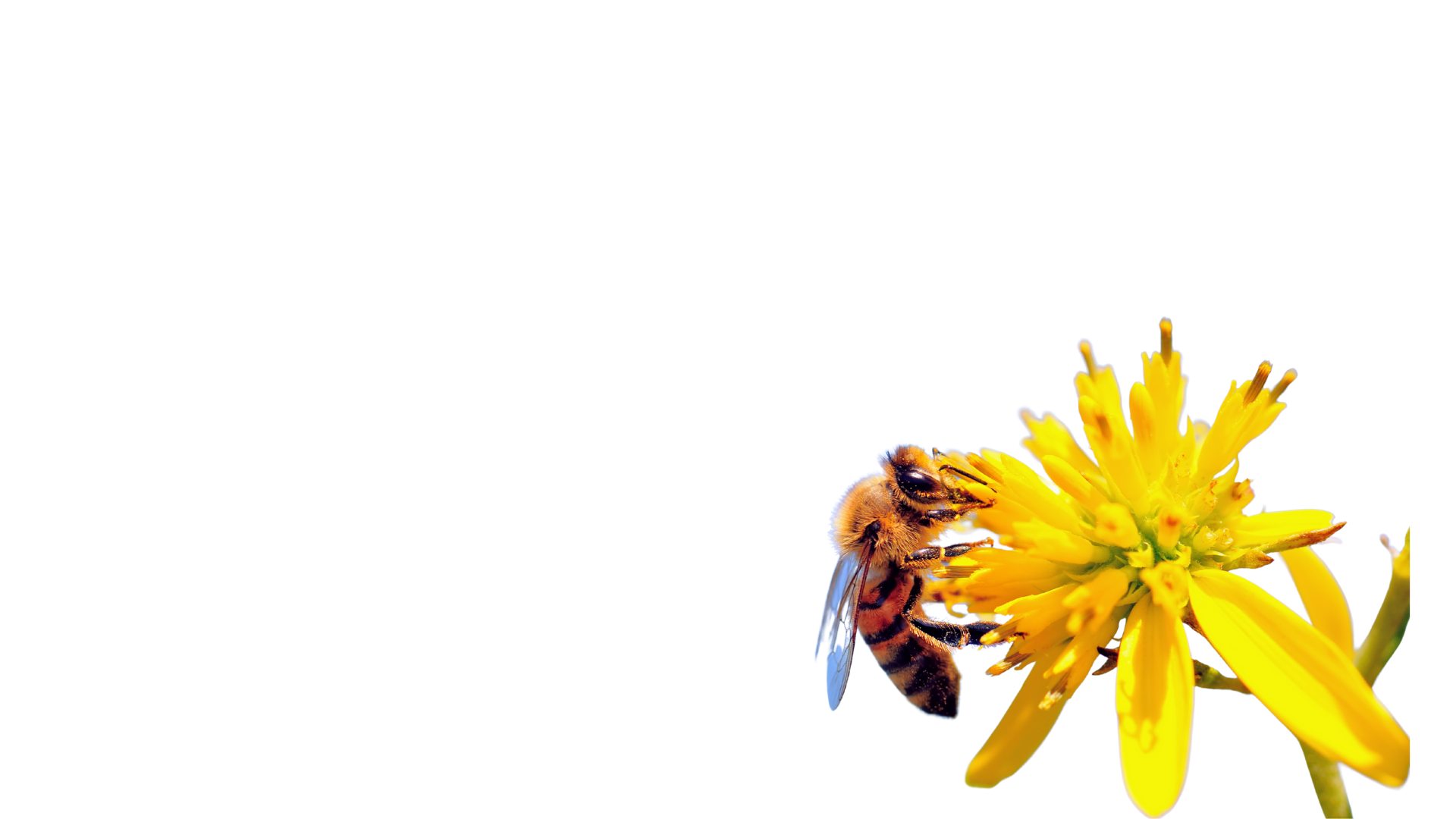
House of Sacred Honey, a regenerative beekeeping initiative rooted in Black agrarian wisdom, resilience, and care for the land that feeds us. Building on the previous season’s two-hive apiary, we are intentionally reactivating the sustainable program that integrates pollinator health with farm resilience and human wellbeing. This initiative will include additional hives, pollinator-friendly plantings, and a dedicated processing space for honey and bee-byproduct goods such as salves, tinctures, and candles—all crafted to support community healing and local self-reliance.
Continue Reading
By prioritizing native forage, pesticide-free zones, and queen rearing, House of Sacred Honey aims to model regenerative agriculture while deepening connections between people, plants, and pollinators.
To share this vision widely, the program will offer limited, hands-on workshops throughout the summer—guided hive tours, beekeeping basics, and DIY salve-making sessions—designed to inspire stewardship and skill-building. These aren’t just classes—they’re circles of care, where knowledge flows like nectar and healing comes in jars. We’ll share honey, tinctures, balms, and stories—all made by our hands, for our community. Because when we steward the bees, we steward ourselves. Participants will not only gain hands-on experience with the bees and hive management but also take home value-added goods made from the apiary’s harvest. These offerings will be available to community, reinforcing FeedEm Freedom’s mission of empowerment through education and ecological abundance. With thoughtful planning, community engagement, and adaptive management, House of Sacred Honey aspires to become a living classroom and a source of nourishment—for bees, for land, and for people.